This is usually the larger half of the bill, and it is the half a cheap quote leaves out.
Talk it throughRising Damp Ipswich arranges damp assessments across Ipswich and the western corridor.
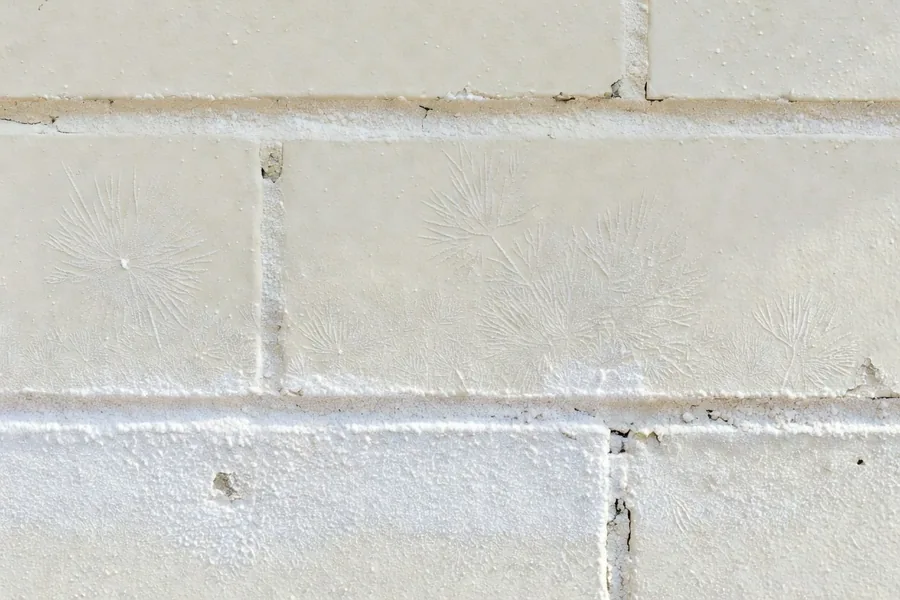
Ground water carries dissolved salts. The water evaporates out through the face of the wall and the salts do not - they stay, and they accumulate, year after year, in the render and the plaster and the outer skin of the brick. In an Ipswich wall that has been damp for decades, or that has been through a flood, the salt loading can be very high.
Salts are hygroscopic. They pull moisture out of the air on a humid Ipswich day and release it again on a dry one, and they change volume as they do it. That cycle pushes render off the wall and blisters paint on a wall that is, by any meter reading, dry. It is the most common reason an owner believes a damp treatment failed when the barrier is working perfectly.
Covering it up. Plasterboard over a damp salty wall, or a waterproof membrane painted onto the inside face, moves the problem rather than solving it - the water goes somewhere else, usually further up or into the adjoining timber. If a quote proposes lining over the affected wall without removing the render, ask what happens to the moisture.
We take enquiries across the Ipswich local government area and the western corridor.
 Rising Damp Ipswich