We assess and treat damp in Ipswich homes, and we start by working out whether you have a damp problem at all.
Rising Damp Ipswich starts every job with an on-site assessment on a property in the Ipswich local government area. You get a written finding and, if there is work to do, a fixed quote before any of it starts.
One specialist takes the job from that first visit to the finish, and gets it done in a timely, efficient way. You are not handed from one business to another along the way.
Ipswich proclaimed a city — the oldest in Queensland outside Brisbane
The era of masonry here built before damp proof courses were standard
The two Bremer floods still sitting as salt in walls today
Ipswich is not Brisbane and it is certainly not Sydney. It is the oldest provincial city in Queensland, so a share of its masonry predates the damp proof course entirely. Around that sits a large stock of timber Queenslanders, and thousands of those were built in underneath between the 1960s and the 1990s.
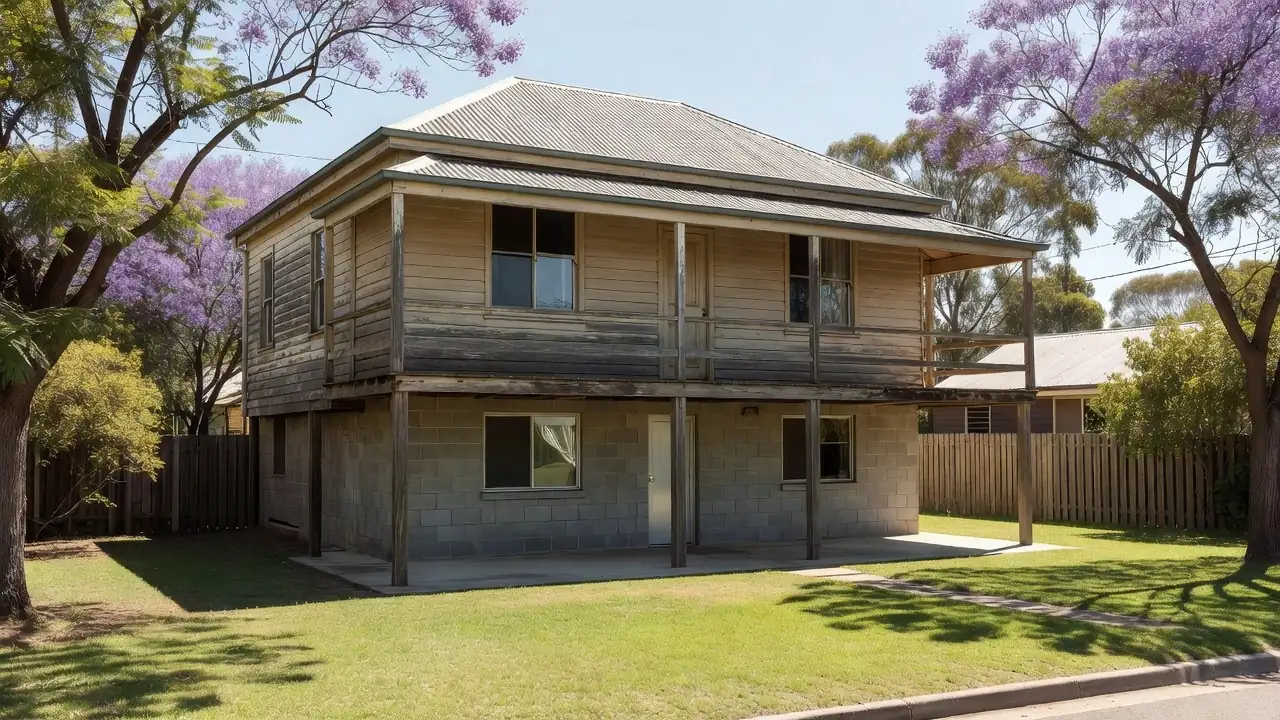
The original house is on stumps and dry. The block room added at ground level sits on the soil, usually on a slab poured level with the yard, and usually with no barrier in it — because the house it was attached to had never needed one.
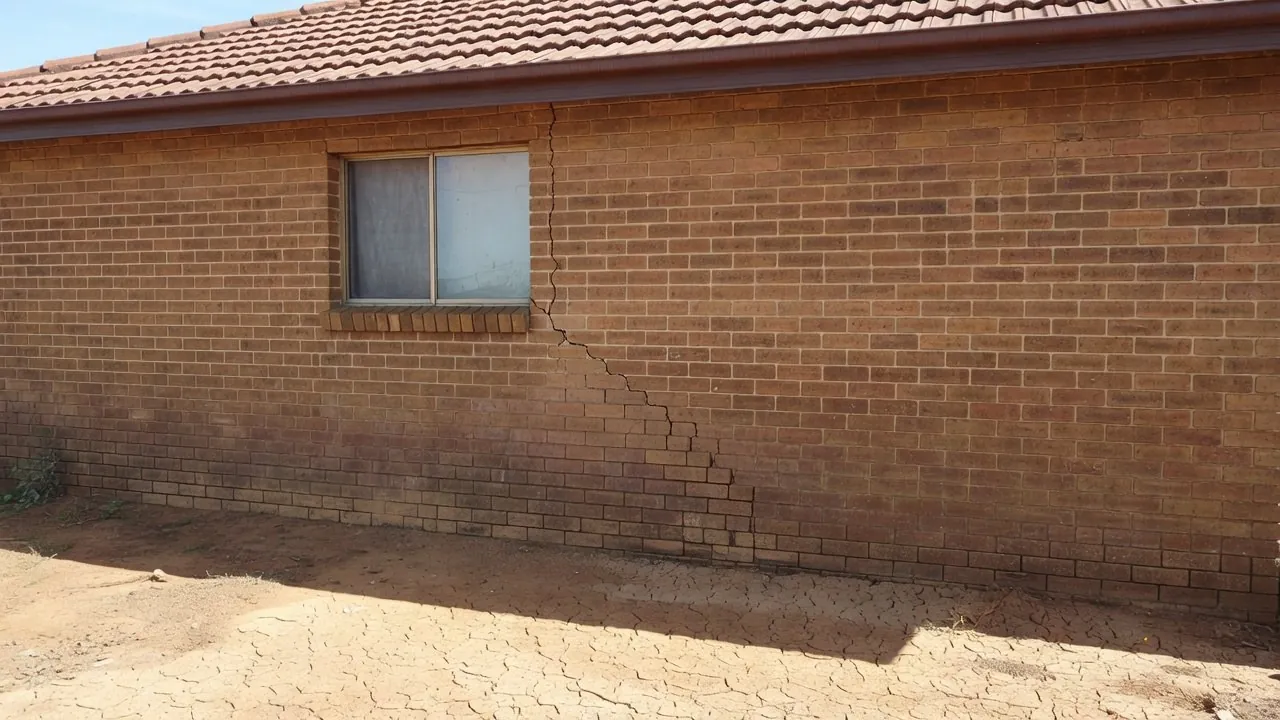
Parts of Ipswich sit on reactive Walloon clay. It swells and shrinks with the season, cracks render, and lets water in sideways. That is a movement problem with a damp symptom, and injecting the wall will not stop it.
Sometimes: this is not rising damp. In a humid subtropical climate, condensation is a likely alternative to rule out. On anything built in the last thirty years there is a membrane under the slab and no route for ground water to climb at all.
Someone who only sells damp courses has an obvious reason to find one. We would rather tell you to ring a plumber, an engineer or nobody at all than quote for work that will not change your wall.
We do not publish reviews we did not receive. We do not show before-and-after photographs of work we did not do, and the illustrations on this site are labelled where they are not photographs of a real job. We do not give a fixed price for a wall nobody has looked at. Every figure here is a range, and the range is honest about how wide it is.
Building work in Queensland is licensed by the Queensland Building and Construction Commission, and the licence classes and the value threshold that triggers them are set by the QBCC. Damp proofing falls under the waterproofing class. Anyone can search a licence on the public QBCC register, and our page on checking a damp licence shows how.
Each suburb page has a small table of figures. The method is the same for every suburb, so it is written once, here. The figures came from two open datasets on 14 October 2026. The Copernicus 90 m elevation model gave one height at the centre of the suburb and eight on a ring 250 m out. OpenStreetMap gave the road and park names inside the suburb boundary (or near the centre where there is no boundary), and the straight-line distances to the nearest bank of the Bremer or Brisbane River and to the Ipswich CBD. For the CBD page, the river distance is measured from a CBD reference point a little north of the centre used for the heights. A coast or river more than 30 km away is left out.
A 90 m model cannot show the ground right against a wall, and it cannot say whether one address has flooded. So no suburb page draws either conclusion from it. The assessment measures the ground at the house, and Ipswich City Council publishes historical flood maps for the 1974, 2011 and 2022 events.
An hour on site, readings up the wall and a look at the ground outside, then a written finding. It is the step that decides whether any of the rest is needed.
 Rising Damp Ipswich