A great deal of Ipswich sits on reactive clay, and reactive clay cracks buildings. A crack lets water in, and then the wall looks damp.
Talk it throughRising Damp Ipswich arranges damp assessments across Ipswich and the western corridor.
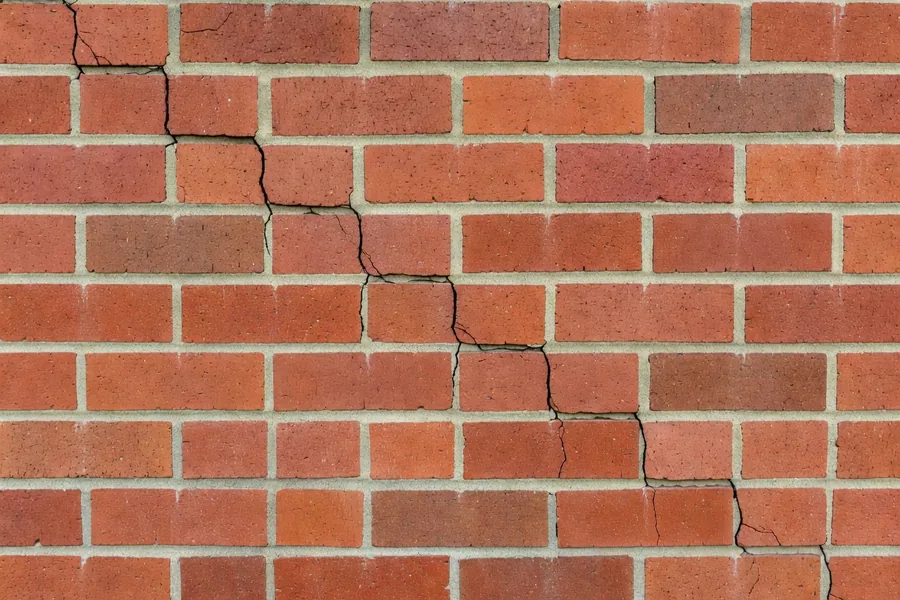
Clay soils in this district swell when they take up water and shrink when they dry out. That movement is seasonal and it is not small. A footing sitting on it rises and falls, and the masonry above has to accommodate the difference. Where it cannot, it cracks.
Because the sequence looks like damp from inside. The render cracks, rain gets into the crack, the wall wets, the paint lifts and the plaster stains. The owner sees a wet wall and rings a damp specialist. Injecting a barrier into that wall achieves nothing, because water is not climbing from the ground - it is coming in sideways through a crack.
A stepped crack - one that runs diagonally by following the mortar joints, up and across, like a staircase. That is ground movement. Rising damp does not crack a wall. If a wall is cracked and wet, the crack is the story and it needs looking at first.
A structural engineer, before a damp contractor. Significant or widening stepped cracking is a structural question, and any damp assessment worth paying for will say so rather than quoting around it. Where the movement is minor and historic, the answer is often drainage - keeping the moisture content of the soil around the footing as even as possible through the year.
We take enquiries across the Ipswich local government area and the western corridor.
 Rising Damp Ipswich